Why Record Construction Will Stabilize Rents—But Land Scarcity and Demographics Will Push Prices Even Higher
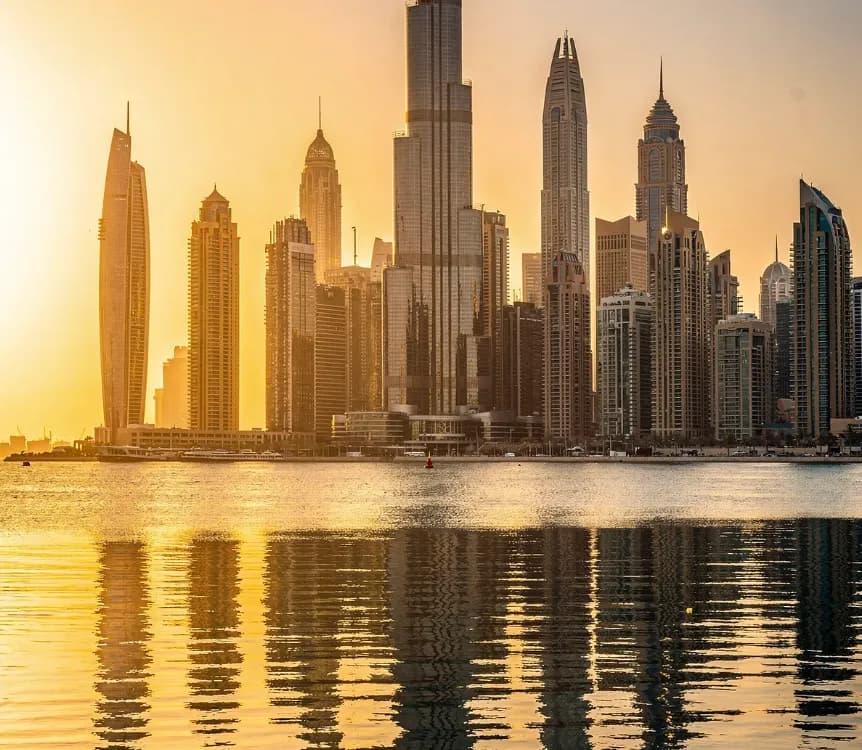
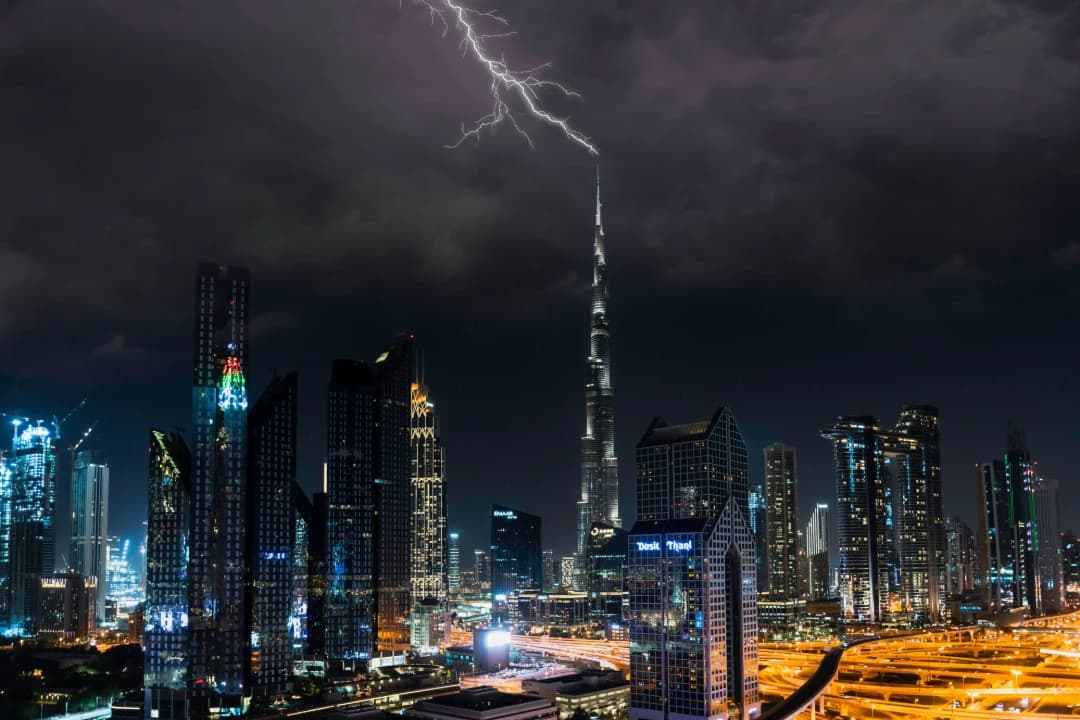
Dubai is entering the largest construction delivery cycle in its history.
According to DLD-registered data, the emirate is projected to deliver:
- 82,000 units in 2026
- 104,000 units in 2027
- 93,000 units in 2028
These figures are far above the historical annual average of 30,000–40,000 units, marking the peak of the development wave triggered by the off-plan boom from 2021 to 2025.
At face value, this surge may appear to pose a risk of oversupply.
However, a deeper structural analysis shows the opposite: rents will likely stabilize, but sales prices will continue rising, driven by land scarcity, demographic pressures, construction delays, and Dubai’s uniquely strong cash-based market.
1. Post-2028 Supply Decline Reflects Only Registered Projects—not Actual Future Supply
The steep drop in supply after 2028 does not mean construction will slow.
It simply reflects Dubai’s regulatory framework. A project cannot appear in DLD data until it has:
- An approved masterplan
- Finalized architectural designs
- An escrow account
- Contractor appointments
- Baseline construction approvals
Many projects that developers will launch in 2026–2028—with delivery timelines extending into 2029–2031—are not yet registered.
Therefore, the post-2028 decline is a registration artifact, not a real reduction in future development.
2. Actual Deliveries Will Likely Be Lower Due to Construction Delays
Dubai currently has:
- 1,537 active projects
- 437,810 units under construction
- The highest development volume in its history
In cycles of this scale, delays are common due to:
- Contractor capacity limitations
- Infrastructure dependencies
- Approval bottlenecks
- Supply chain constraints
- Labor availability
Historically, major delivery cycles experience 10–20% delays.
Adjusted realistic completions:
- 2026: 65,000–73,000
- 2027: 82,000–92,000
- 2028: 74,000–84,000
This reduces oversupply risk significantly, even in peak years.
3. Population Growth + Shrinking Household Size = Structural Demand Surge
Dubai’s population has now reached approximately 4 million residents.
With annual growth exceeding 5–6%, the city is adding:
➡️ 200,000–240,000 new residents per year
This places Dubai among the fastest-growing global cities.
Yet the most transformative force is the long-term change in household size:
- 2000: 6.0 persons per household
- Today: 4.5 persons
- Long-term direction: ~3 persons per household, consistent with global cities (New York 2.2, London 2.4, Singapore 2.3)
Smaller household sizes dramatically increase the number of housing units required—independently of population growth.
Real housing demand estimates:
- Based on today’s household size (4.5):
➤ 45,000–53,000 units per year - Based on projected household size (~3):
➤ 66,000–80,000 units per year
Even during record delivery years (2026–2027), supply will only barely meet structural demand.
And once deliveries drop after 2028, the supply–demand gap widens significantly.
4. Rental Prices Will Likely Stabilize in 2026–2027
With tens of thousands of new units entering the market during peak years, rental prices are expected to:
- Stabilize across multiple submarkets
- Slightly soften in areas with heavy new supply (JVC, Wadi Al Safa, Dubai South, Arjan)
- Show more normal tenant movement patterns
This is positive for Dubai’s economic competitiveness and talent attraction.
However, rental stabilization does not imply lower sale prices.
5. Within Core Districts, Land Scarcity Will Become the Primary Driver of Price Appreciation
Dubai is transitioning into a mature global city where land scarcity, rather than rent growth, becomes the main force behind price appreciation.
This mirrors the trajectory of:
- Manhattan
- London
- Hong Kong
- Singapore
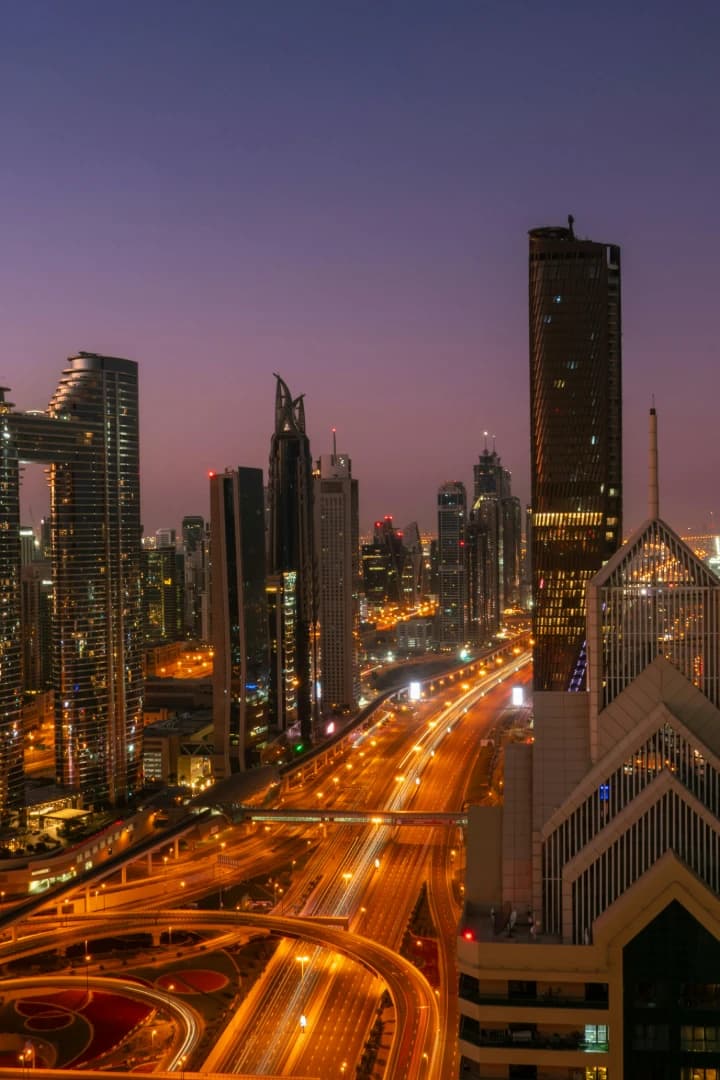
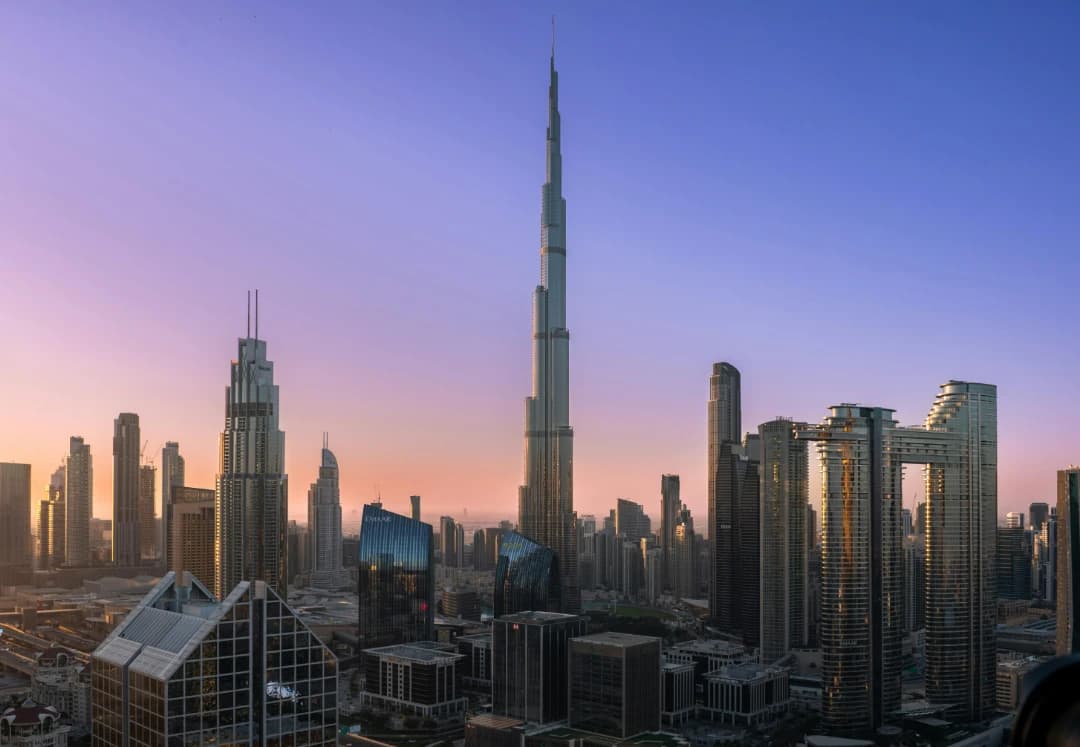
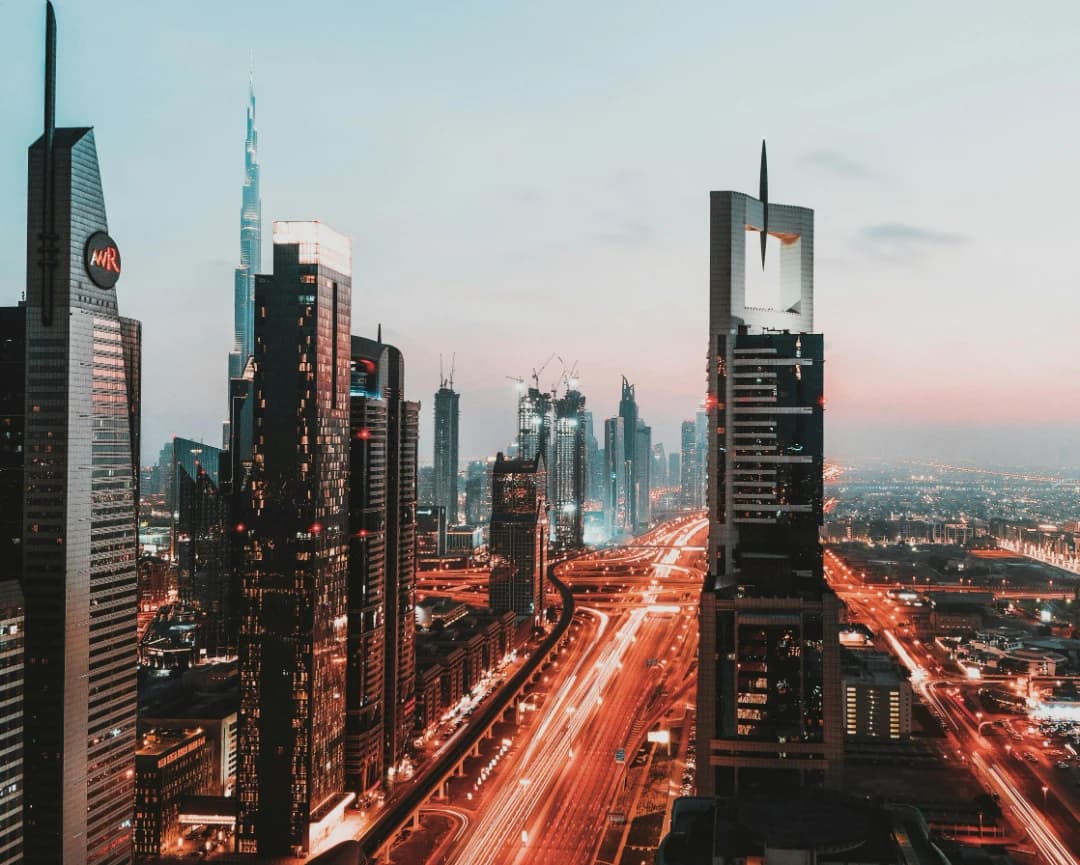
Core districts have virtually no remaining land:
- Downtown
- Business Bay
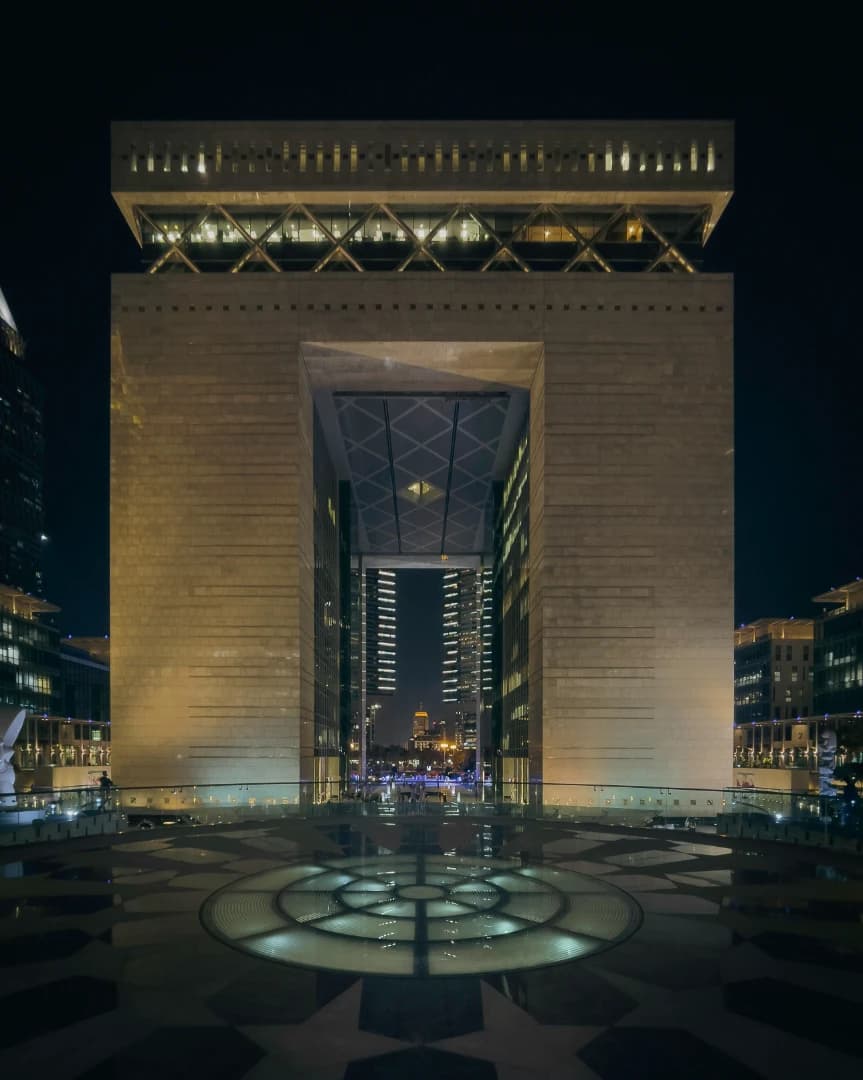
- DIFC
- Dubai Marina
- Palm Jumeirah
- JBR
- JLT
When land runs out, the market undergoes predictable structural changes:
- Land values rise sharply
- Replacement costs increase
- New developments become more expensive
- Buyers push outward into secondary areas
- Price appreciation becomes supply-led, not rent-led
Dubai is entering its first true land-constrained phase.
6. Market Stability Is Reinforced by Dubai’s Cash-Dominated Transactions
2025 data shows:
- 80.7% of sales are cash transactions
- 19.3% are mortgage-backed
This makes Dubai one of the least leveraged major real estate markets in the world, offering rare stability.
Key implications:
- Minimal exposure to interest rate shocks
- No systemic risk of mass defaults
- Prices reflect real liquidity, not easy credit
- Faster absorption of new launches
- Lower risk of forced selling
- Highly resilient during global turbulence
Dubai is not a speculative, credit-driven market.
It is a liquidity-driven international investment hub.
7. Long-Term Outlook (2025–2031)
- Rents stabilize in 2026–2027
- Sale prices continue rising due to land scarcity and demographic pressure
- Construction delays reduce actual supply, lowering oversupply risk
- Shrinking household sizes boost long-term demand
- Post-2028 supply decline will create future inventory shortages
- Prime districts appreciate faster as land disappears
- Secondary districts rise driven by spillover demand
- High cash liquidity ensures long-term market stability
Conclusion
Dubai is not moving toward oversupply.
It is evolving into a mature, land-limited, demographically dynamic, and liquidity-driven global real estate market.
Record deliveries in 2026–2027 will help stabilize rents, but sales prices will continue rising—driven by shrinking household sizes, massive population inflows, construction delays, and the structural scarcity of land in core districts.
The next 24–36 months represent one of the most strategic accumulation windows for global investors seeking long-term value in Dubai.